
Hello world!
Welcome to WordPress. This is your first post. Edit or delete it, then start writing!
Hibiscus – Beauty & Blood Pressure Booster

Hibiscus sabdariffa, also called roselle or bissap in West Africa, is a flowering plant whose deep red petals are used to make teas, tonics, and skincare infusions. It’s cherished across Africa for its refreshing taste and healing properties. Nutritional Profile Hibiscus is packed with: Anthocyanins – powerful antioxidants that fight free radicals and promote skin glow Vitamin C – boosts immunity and collagen production Polyphenols – support heart health and reduce inflammation Natural acids – help with digestion and detoxification These compounds make hibiscus a beauty booster from the inside out, while also supporting cardiovascular wellness. Blood Pressure Benefits Clinical studies show that hibiscus tea can lower systolic and diastolic blood pressure in people with mild hypertension. It works by relaxing blood vessels and improving circulation. The effect is gentle but noticeable—especially when consumed regularly. A 2021 study published in Journal of Hypertension found that drinking hibiscus tea twice daily for 4 weeks reduced blood pressure by up to 7.6 mmHg. Cultural Significance In Senegal, hibiscus is brewed into bissap, a tangy, ruby-red drink served chilled at gatherings. In Egypt, it’s called karkadeh and used in wedding rituals. Across Africa, hibiscus is a symbol of celebration, healing, and feminine energy. Beauty Rituals Hibiscus is known as the “Botox plant” in natural skincare circles. Its acids gently exfoliate, while antioxidants protect and rejuvenate skin. Belleer’s DIY skincare recipes include: Hibiscus face masks for brightening Hair rinses to strengthen and add shine Body scrubs with hibiscus and moringa for smooth skin Belleer’s Ethical Sourcing Belleer works with Senegalese women’s cooperatives who handpick hibiscus petals during peak bloom. Our Canadian lab ensures quality and safety, while our inclusive hiring model supports neurodiverse workers in packaging and logistics. How to Use Hibiscus Daily Brew 1 tsp of dried petals in hot water for 5–10 minutes Sweeten with honey or blend with mint for a refreshing twist Add to smoothies or iced teas for a tangy kick Use in face masks with yogurt or aloe vera Why It Matters Hibiscus is more than a pretty flower—it’s a functional superfood that connects beauty, wellness, and cultural heritage. By choosing Belleer’s hibiscus products, you support sustainable farming, inclusive employment, and holistic health.
Vitamin D: Why You Need It For Gut Health, Too
What Vitamin D Does for Your Gut While most people associate vitamin D with strong bones, this nutrient also supports several key functions in the digestive system: 1. Enhances Calcium Absorption Vitamin D helps the gut absorb calcium from food and supplements, which is essential for bone strength and overall mineral balance in the body. 2. Supports Gut Barrier Integrity Vitamin D strengthens the gut lining, preventing harmful bacteria from leaking into the bloodstream. This helps reduce inflammation throughout the body. 3. Promotes Healthy Gut Bacteria It encourages the growth of beneficial microbes while suppressing those that trigger inflammation, contributing to a balanced gut microbiome. 4. Regulates Immune Function Since much of the immune system resides in the gut, vitamin D helps modulate immune responses and may reduce the risk of autoimmune conditions like inflammatory bowel disease (IBD). How to Get Enough Vitamin D Vitamin D is produced when your skin is exposed to strong sunlight, but many people fall short—especially in winter or if they avoid sun exposure. Here’s how to meet your daily needs: Recommended intake: 15 micrograms (mcg) per day for anyone over age 1. Food sources: Cooked sockeye salmon (3 oz): 14 mcg UV-exposed mushrooms (½ cup): 9 mcg Fortified milk (1 cup): 3 mcg Fortified plant milks (1 cup): 2.5–3 mcg Fortified cereals (1 serving): 2 mcg If diet and sunlight aren’t enough, supplements can help—but don’t overdo it. Experts recommend staying below 100 mcg per day to avoid imbalances. Who’s at Risk for Deficiency? People with darker skin Those living in northern regions Individuals who avoid sun or use strong sunscreen
What Moringa Is and Why It’s Called a Superfood
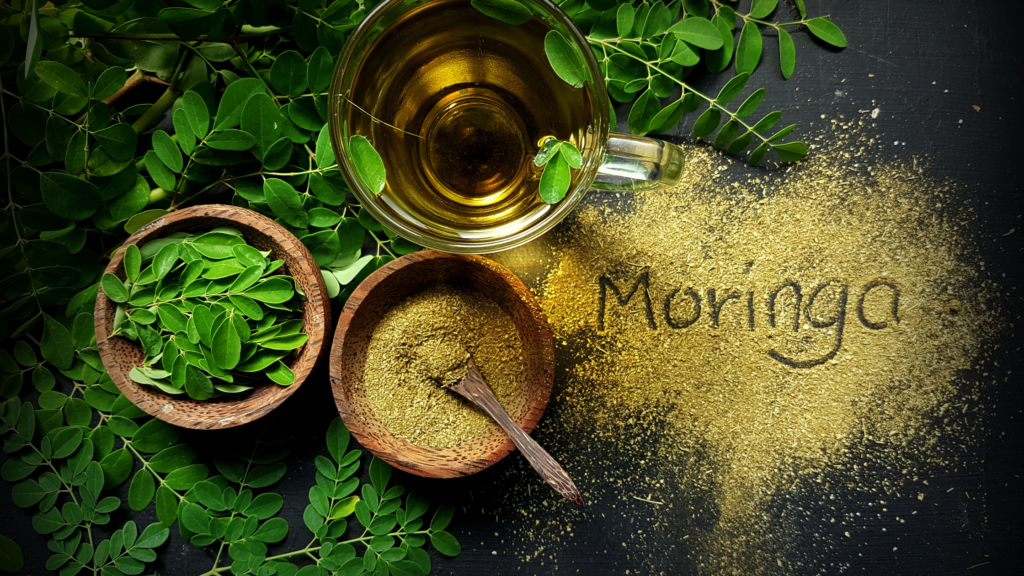
Moringa oleifera, often called the drumstick tree or miracle tree, is a fast-growing, drought-resistant plant native to South Asia. Every part of the tree—leaves, pods, seeds, flowers and roots—has been used traditionally for food and medicine. Modern interest focuses on moringa leaves, which are commonly dried and powdered for supplements and culinary use. Quick overview Appearance: Small tree with feathery leaves and long, slender seed pods. Common forms: Fresh leaves, dried leaf powder, tea, capsules, seed oil, and whole seeds. Taste profile: Fresh leaves are slightly earthy and green; powder is more concentrated with a mildly bitter, vegetal flavor. Nutrition snapshot High in: Vitamin A precursors, vitamin C, vitamin K, calcium, iron, potassium, and plant protein. Notable: Moringa contains a wide range of phytonutrients and antioxidants that contribute to its “superfood” reputation. Who uses moringa Health-conscious cooks looking for nutrient-dense boosts. People in regions where moringa grows as a resilient food source. Supplement users seeking vitamins, minerals, or an antioxidant-rich tonic. How it’s typically prepared Add powdered leaves to smoothies, soups, and sauces. Brew dried leaves into tea. Use fresh leaves like spinach in stir-fries and curries. Press seeds for moringa oil used in cooking and cosmetics. Key takeawayMoringa is a versatile, nutritionally dense plant with culinary and supplemental uses that make it a practical superfood for everyday diets. Health Benefits of Moringa Backed by ResearchMoringa has attracted scientific attention for a range of potential health effects. While research is ongoing and some human trials are small, the evidence supports several promising benefits. Antioxidant supportMoringa leaves contain antioxidants such as quercetin, chlorogenic acid, and vitamin C which help neutralize free radicals and reduce oxidative stress. Anti-inflammatory propertiesCompounds in moringa have shown anti-inflammatory effects in lab and animal studies, which may help with chronic inflammation linked to metabolic and cardiovascular disease. Blood sugar managementSome clinical and preclinical studies suggest moringa leaf powder can help lower fasting blood glucose and improve insulin response when used alongside standard lifestyle measures. Cholesterol and heart healthMoringa has been shown in some trials to reduce total cholesterol and LDL cholesterol, potentially lowering cardiovascular risk when combined with healthy diet and activity. Micronutrient densityMoringa is a concentrated source of vitamins and minerals that can help address deficiencies, especially vitamin A, iron, calcium, and some B vitamins in populations with limited dietary variety. Digestive and gut supportTraditional use and emerging research indicate moringa may support digestion, partly due to fiber content and mild antimicrobial properties. Safety and cautionsTypical doses: Common supplemental doses of moringa leaf powder range from 1 to 6 grams daily; traditional culinary use is lower. Pregnancy caution: Avoid concentrated extracts of moringa root or bark during pregnancy due to uterine-stimulating compounds. Use leaf preparations cautiously and consult a healthcare provider. Interaction note: Moringa can lower blood sugar and blood pressure; monitor levels if you take diabetes or blood pressure medications. Practical adviceUse moringa as a nutrient boost within a balanced diet. Rely on whole-food forms (leaves or powder) for daily nutrition and seek medical advice before using therapeutic doses. 7 Easy Moringa Recipes for Everyday UseBoost meals with moringa using these practical, tasty recipes. Use moringa leaf powder or fresh leaves depending on availability. 1. Morning Moringa SmoothieIngredients: 1 banana; 1 cup spinach; 1 tsp moringa powder; 1 cup milk or plant milk; 1 tbsp nut butter; ice. Method: Blend until smooth. Add honey to sweeten if desired. 2. Moringa Yogurt DipIngredients: 1 cup plain yogurt; 1 tsp moringa powder; 1 garlic clove minced; lemon juice; salt and pepper. Method: Mix and chill. Serve with raw veggies or flatbread. 3. Moringa Stir-FryIngredients: Fresh moringa leaves or 1 tbsp powder; mixed vegetables; garlic; soy or tamari; sesame oil. Method: Stir-fry garlic and veggies, add leaves at the end until wilted or sprinkle powder into sauce. 4. Moringa Soup BoosterMethod: Stir 1–2 tsp moringa powder into finished soups or broths for a nutrient lift. Do not boil moringa powder for long to preserve nutrients. 5. Moringa Energy BallsIngredients: Dates; oats; 1–2 tbsp nut butter; 1–2 tsp moringa powder; cocoa or coconut optional. Method: Blend, roll into balls, refrigerate. 6. Moringa TeaMethod: Steep 1 tsp dried moringa leaves in hot water 5–7 minutes. Add lemon or ginger to taste. 7. Moringa PestoIngredients: Fresh moringa leaves; basil; garlic; nuts; olive oil; lemon; parmesan optional. Method: Blend into a pesto and toss with pasta or use as a spread. Cooking tipsStart with small amounts of moringa powder (¼–1 tsp) and increase gradually to taste. Add moringa near the end of cooking to protect heat-sensitive nutrients. How to Choose and Store Quality MoringaChoosing the right form and storing it properly preserves moringa’s benefits and flavor. Choosing formsFresh leaves: Best for cooking; look for bright green, unblemished leaves. Dried leaf powder: Most convenient; choose organic, finely milled powders with simple ingredient lists. Capsules: Useful for consistent dosing but offer less culinary flexibility. Seed oil: Good for topical use and cooking at low heat. Quality signsColor: Bright green powder indicates freshness; brownish hues suggest age or oxidation. Smell: Fresh, green aroma; strong off-odors may indicate spoilage. Source transparency: Prefer suppliers who list harvest and processing practices, testing for heavy metals, and provide organic or sustainably harvested options. StorageKeep powder in an airtight container away from heat, light, and moisture. Use within 6–12 months for best potency; refrigerate for longer storage in humid climates. Fresh leaves should be used quickly or blanched and frozen. Frequently Asked QuestionsCan children take moringa Small culinary amounts are generally safe for children; consult a pediatrician before regular supplementation. Does moringa help with weight loss Moringa can support metabolic health as part of a balanced diet and activity plan but is not a standalone weight-loss solution. How much moringa powder should I take daily For general nutrition, 1–2 teaspoons daily is common. Therapeutic doses should be guided by a healthcare professional. Are there side effects Mild digestive upset can occur with high doses. Avoid root and bark extracts during pregnancy. Final noteIncorporate moringa gradually into your diet, focusing
The African Baobab Fruit: Benefits, Nutrition & Why It’s Called the “Tree of Life”

Looking for a powerful natural superfood that boosts immunity, supports digestion, and enhances overall wellness? Meet the African Baobab fruit — the ancient treasure from one of the world’s most fascinating trees. What Is the Baobab Tree? The Baobab tree (Adansonia digitata) is one of Africa’s most iconic and oldest tree species — some are believed to be over 2,000 years old. Its massive trunk can store thousands of liters of water, helping it survive extreme droughts. African folklore says the gods planted it upside down, giving it its famous “Upside-Down Tree” appearance. No wonder it’s called the “Tree of Life” — it provides shelter, water, medicine, and most importantly… superfood fruit. What Does Baobab Fruit Taste Like? Baobab fruit grows in hard, velvety pods. Unlike most fruits, it naturally dries on the tree, forming a dry, crumbly pulp that’s ground into Baobab powder. Flavor profile:✅ Citrusy and refreshing✅ Notes of sherbet, pear, and vanilla Perfect for adding a subtle tang to smoothies, oatmeal, or water. Baobab Fruit Nutrition: Why It’s a True Superfood If you’re wondering “Is Baobab good for you?” — the answer is an absolute yes. Here’s why: 1. More Vitamin C Than Oranges Baobab powder contains up to 6x more Vitamin C than oranges by weight. Supports immune health Boosts collagen production for glowing skin Helps reduce fatigue 2. High in Antioxidants It ranks higher than blueberries, goji berries, and pomegranates in antioxidant capacity — helping fight inflammation and slow aging. 3. Rich in Prebiotic Fiber Nearly 50% fiber, most of which is prebiotic, meaning it feeds the good bacteria in your gut. Improves digestion Enhances nutrient absorption Supports weight management 4. Packed with Essential Minerals Nutrient Benefit Baobab vs Other Foods Potassium Regulates blood pressure More than bananas Calcium Bone strength Great dairy-free source Magnesium Energy & muscle support Ideal for athletes How to Use Baobab Powder (Easy Ideas) You only need 1–2 teaspoons per day to feel the benefits. Try these simple uses: ✅ Add to smoothies for a creamy, citrusy boost ✅ Stir into yogurt or oatmeal ✅ Mix with water or coconut water for a natural electrolyte drink ✅ Bake into pancakes, muffins, or energy balls ✅ Whisk into salad dressings or sauces Is Baobab Sustainable? Absolutely. Baobab fruit is 100% wild-harvested — no plantations, no deforestation. The pods are collected only after they fall naturally, protecting the trees. Harvesting provides income for rural African communities, especially women, helping support families and preserve ecosystems. Final Thoughts: Why You Should Try Baobab The African Baobab is more than just a wellness trend — it’s ancient wisdom in modern nutrition. By adding Baobab powder to your daily routine, you are: ✅ Boosting your health naturally✅ Supporting sustainable farming✅ Empowering African communities It truly is the taste of the Tree of Life.
Superfoods: Unlocking Nature’s Ultimate Health Boosters
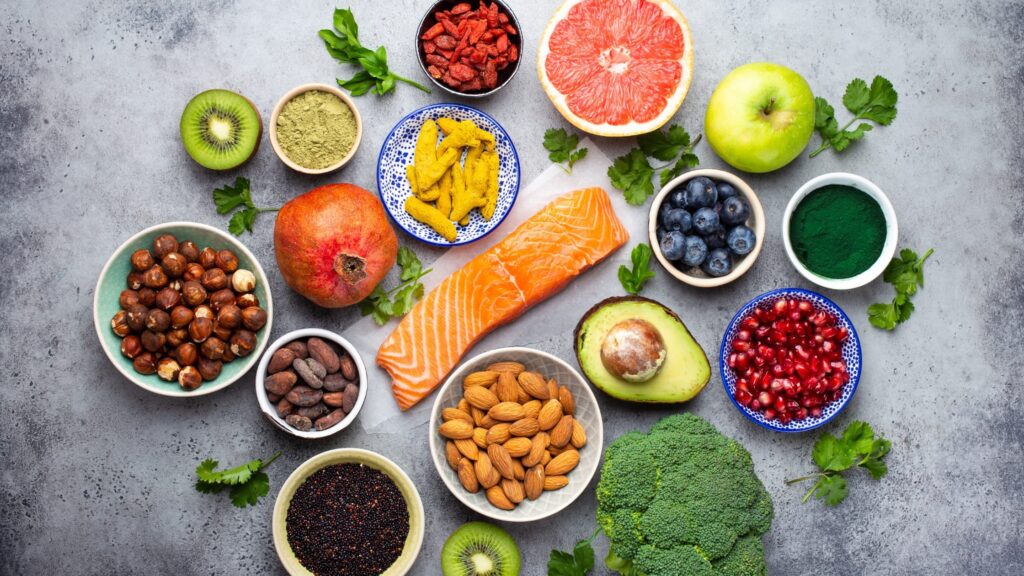
You’ve seen the term everywhere—from health magazines to grocery store aisles. “Superfood” has become one of the biggest buzzwords in the world of wellness. But what exactly makes a food “super”? Are they mythical ingredients with magical properties, or is there real substance behind the hype? Let’s demystify the world of superfoods and explore how these nutritional powerhouses can be your secret weapon for better health. What Exactly is a Superfood? While there’s no strict scientific definition, a “superfood” is generally a food—mostly plant-based but also some fish and dairy—that is thought to be nutritionally dense and thus good for one’s health. Think of them as nature’s multivitamins. They are packed with an exceptionally high concentration of vitamins, minerals, antioxidants, and healthy fats, all of which are essential for your body to thrive. A small serving of a superfood can often provide more nutrients than a much larger portion of a less nutrient-dense food. Why Should You Add Superfoods to Your Diet? Incorporating superfoods into your daily meals can lead to significant health benefits: Boosts Immune System: High levels of antioxidants and vitamins like Vitamin C help fight off cell damage from free radicals, strengthening your body’s natural defenses against illness. Promotes Heart Health: Many superfoods are rich in omega-3 fatty acids, fiber, and anti-inflammatory compounds that help lower bad cholesterol, regulate blood pressure, and keep your heart strong. Increases Energy Levels: Packed with iron, magnesium, and high-quality protein, superfoods can help combat fatigue and provide sustained energy throughout the day. Improves Skin and Hair: Nutrients like Vitamins A, C, and E found in these foods help protect your skin from oxidative stress, leading to a radiant complexion and healthier hair. Enhances Digestive Health: Fiber-rich superfoods promote regular bowel movements and nourish the good bacteria in your gut, leading to a healthier digestive system. Popular and Accessible Superfoods to Try You don’t need to search for exotic or expensive ingredients to enjoy the benefits of superfoods. Many are likely already in your kitchen or local market. 1. Fruits: Berries (Blueberries, Strawberries, Raspberries): These are antioxidant champions. They protect your cells from damage and are fantastic for brain health. Pomegranate: Loaded with unique antioxidants and Vitamin C, it’s known for its anti-inflammatory properties and ability to support heart health. Avocado: A fantastic source of healthy monounsaturated fats, potassium, and fiber. It’s great for your heart, skin, and managing weight. 2. Vegetables: Spinach & Kale: These leafy greens are bursting with vitamins K, A, and C, as well as iron and calcium. They are incredibly versatile and easy to add to any meal. Broccoli: A powerhouse of vitamins C and K, fiber, and compounds that may have cancer-fighting properties. Sweet Potatoes: One of the best natural sources of beta-carotene (which the body converts to Vitamin A), essential for vision and immune function. 3. Seeds & Nuts: Chia Seeds: A tiny but mighty source of omega-3 fatty acids, fiber, and protein. They help keep you full and hydrated. Flax Seeds: Also packed with omega-3s and fiber, flax seeds are particularly known for supporting digestive health. Almonds: A go-to snack for a reason. They provide healthy fats, Vitamin E, magnesium, and protein. 4. Spices & Other Essentials: Turmeric: Contains curcumin, a compound with powerful anti-inflammatory and antioxidant effects. Ginger & Garlic: Both are known for their immune-boosting and anti-inflammatory properties, making them staples in healthy cooking. Yogurt (with live cultures): An excellent source of probiotics, which are essential for maintaining a healthy gut microbiome. Green Tea: Rich in antioxidants called catechins, which can boost metabolism and may reduce the risk of several chronic diseases. Simple Ways to Incorporate Superfoods into Your Diet You don’t need a complete diet overhaul. Start with small, simple changes: Add a handful of berries and a spoonful of chia seeds to your morning oatmeal or yogurt. Snack on a handful of almonds instead of processed snacks. Toss spinach into your smoothies, soups, or omelets. Use turmeric, ginger, and garlic generously in your cooking. Swap one of your daily coffees for a cup of green tea. The Final Word Remember, no single food is a magic bullet for perfect health. The true benefit of superfoods is realized when they are part of a balanced and varied diet. They are powerful allies that can enhance your overall well-being and protect your body from disease. Start by adding one or two of these nutrient-packed foods to your meals this week, and take a delicious step forward on your journey to a healthier you.